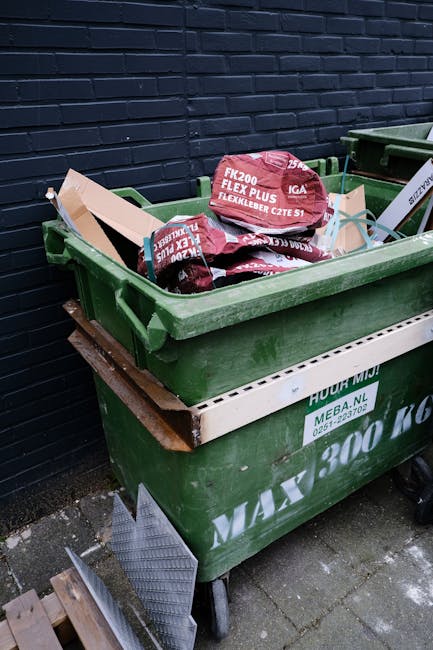
Morden Underground Station rubbish drop off and pickup advice
If you are trying to arrange Morden Underground Station rubbish drop off and pickup advice, you are probably juggling the same awkward mix of problems many people face: tight streets, limited stopping time, awkward loads, and the small but annoying question of where on earth do I put this stuff without causing a headache? Whether you are moving house, clearing a flat, finishing a job, or simply dealing with a pile that grew faster than expected, the sensible way to handle waste near a busy station area is to plan ahead and keep things simple.
This guide breaks down how rubbish collection, drop-off, and pickup arrangements tend to work in practice around Morden Underground Station. It also explains when a skip is useful, when a wait-and-load service is the cleaner option, and how to avoid the mistakes that waste time, money, and patience. A bit of preparation really does go a long way here. Truth be told, the difference between a smooth collection and a messy one is often just ten minutes of planning.
Table of Contents
- Why Morden Underground Station rubbish drop off and pickup advice Matters
- How Morden Underground Station rubbish drop off and pickup advice Works
- Key Benefits and Practical Advantages
- Who This Is For and When It Makes Sense
- Step-by-Step Guidance
- Expert Tips for Better Results
- Common Mistakes to Avoid
- Tools, Resources and Recommendations
- Law, Compliance, Standards, or Best Practice
- Options, Methods, or Comparison Table
- Case Study or Real-World Example
- Practical Checklist
- Conclusion
- Frequently Asked Questions
Why Morden Underground Station rubbish drop off and pickup advice Matters
Busy transport areas bring a few predictable challenges. Cars come and go. Pavements get narrower than you remember. A van stopping in the wrong place can make everything feel chaotic in a matter of minutes. Around Morden Underground Station, good rubbish drop off and pickup advice matters because waste removal is not just about getting rid of things; it is about doing it without interrupting traffic, blocking access, or creating extra work for yourself later.
There is also the simple reality that rubbish has a way of becoming more difficult the longer it sits. A stack of renovation debris turns into a damp, heavy pile. A few bags from a loft clearance become awkward to lift. A broken appliance starts taking up half the hallway. The earlier you decide how it is going to leave the property, the easier the rest becomes.
For many households and businesses, the main question is not whether waste can be removed. It is how to remove it in a way that suits the space, the volume, and the timing. That is where local planning matters, especially if you are near a station with busy roads, pedestrians, buses, and limited waiting space. If you need a broader waste solution, it can be helpful to look at rubbish removal alongside wait and load skip hire and domestic skip hire to see what fits best.
How Morden Underground Station rubbish drop off and pickup advice Works
The basic idea is straightforward. You decide how much waste you have, how quickly it needs to go, and whether it can be safely and legally stored on your property or needs to be removed directly. Then you choose the most practical collection method. Near a station, that choice often depends on access more than anything else.
In real terms, three approaches tend to come up most often:
- Drop-off on private property where a skip, container, or bag can sit safely without blocking anyone.
- Pickup from the kerbside or an agreed loading point where rubbish is collected quickly from outside the property.
- Wait-and-load collection where the vehicle waits while the waste is brought out, which can be useful when there is no room for a skip.
One practical detail people sometimes miss: the best option is not always the cheapest on paper. If a skip would need a permit, or if there is nowhere safe to place it, a faster pickup may end up saving you time and stress. For those comparing methods, it can help to review skip hire, skip hire permits, and skip sizes and prices before making a decision.
At busy times, especially early mornings or around school runs, a collection window matters. So does the load itself. Heavy mixed waste, bulky furniture, garden cuttings, plasterboard, and DIY rubble each behave differently. A small misunderstanding here can lead to a second trip or a delayed pickup. Nobody wants that, obviously.
Key Benefits and Practical Advantages
Good rubbish drop off and pickup planning near Morden Underground Station offers more than convenience. It also makes the job cleaner, safer, and usually more cost-effective.
- Less disruption - if you plan the timing, you avoid awkward parking problems and reduce the chance of holding up neighbours or passing traffic.
- Faster clearance - a pre-sorted load can be collected far more quickly than a mixed pile thrown together in a hurry.
- Better use of space - on smaller streets, every metre counts. Choosing the right method helps you avoid cluttering the frontage or driveway.
- Lower risk of mistakes - separating hazardous items, electronics, and bulky waste early on prevents last-minute issues.
- Cleaner finish - a tidy pickup usually leaves less residue, less mess, and less sweeping up afterwards. Small win, but a real one.
There is also a trust factor. If you are hiring a removal service or organising a larger clearance, a straightforward plan helps everyone work from the same page. That usually means fewer surprises, fewer delays, and a much calmer day.
For heavier or more awkward waste streams, some people also look at grab hire services or grab lorry hire because they can be a practical alternative where access is tight. If your job involves construction, the same logic applies even more strongly. A site near a station needs sequencing, not guesswork.
Who This Is For and When It Makes Sense
This advice is useful for a wide mix of people, not just homeowners. In practice, it is often needed by anyone dealing with bulky, mixed, or time-sensitive waste close to the station area.
- Homeowners and tenants clearing a flat, loft, shed, or hallway full of unwanted items.
- Landlords and letting agents between tenancies, especially when rubbish appears faster than expected.
- Builders and trades working on small refurbishments where access is limited and waste builds quickly.
- Offices and shops needing a tidy pickup without interrupting customers or staff flow.
- Families moving house who want to clear mixed household rubbish before the van arrives.
It also makes sense if you are in the middle of a project and your waste pattern is changing daily. You might start with a few bin bags, then realise the job includes broken furniture, packaging, timber offcuts, and old fittings. At that point, a flexible approach matters more than a fixed one.
If your job is mostly furniture or property contents, you may also want to look at house clearance, garage and loft clearance, or office clearance. These services can be more suitable than a standard skip when the waste is mixed but not especially heavy.
Step-by-Step Guidance
Here is the simplest way to approach rubbish drop off and pickup near Morden Underground Station without overcomplicating it.
- Count the waste properly. Walk through the property and make a rough list. Bags, boxes, furniture, rubble, garden waste, appliances, and anything awkward should be noted separately.
- Separate what needs special handling. Things like fridges, mattresses, confidential documents, and hazardous items are often better handled through dedicated services.
- Check access. Can a lorry stop nearby? Is there room to load on private land? Will a skip block parking or entrances?
- Decide between drop-off and pickup. If the load can sit safely on-site, a skip or container may work. If not, a collection-based option is often cleaner.
- Choose the right waste method. For mixed house rubbish, consider man and van or rubbish removal. For bigger jobs, compare builders skip hire and builders waste removal.
- Confirm timing. Pick a collection window that avoids peak pedestrian movement and gives you enough time to get everything out properly.
- Prepare the load the night before if possible. Even a little staging helps. Bags tied, boxes flattened, sharp edges wrapped, and doors left clear.
- Keep the path clear. The route from the property to the pickup point should not require awkward lifting through obstacles or narrow gaps.
- Ask about restricted items. Do not assume everything can go together. A quick check avoids a last-minute refusal.
- After collection, inspect the area. A quick sweep and a final check for stray fragments is worth it. Five minutes now saves another clean-up later.
If you are dealing with a same-day need, it may be worth exploring same day skip hire or direct collection options. Sometimes speed is the whole point. No shame in that.
Expert Tips for Better Results
In our experience, the smoothest rubbish pickups are the ones where the customer thinks like the crew for a minute or two. That sounds obvious, but it really changes the result.
First tip: make the load easy to read. Keep recyclable material, general waste, and bulky items as separate as you can. Even if everything is leaving together, visible sorting helps the job move faster and reduces mistakes.
Second tip: don't overfill bags. Heavy sacks are a common cause of delays and back strain. If a bag becomes difficult to lift with one person, it is already too heavy. That old "I'll just squeeze in one more bit" habit? It usually backfires.
Third tip: protect the access route. Hallways, stairs, door frames, and shared entrances can take a battering during a rush job. A bit of cardboard or covering can help prevent scuffs and keep things respectable.
Fourth tip: think about weather. A damp morning can change a light load into a much heavier one. Cardboard softens, wood gets slippery, and mixed waste becomes less pleasant to handle. If the collection is early and the forecast is grim, plan accordingly.
Fifth tip: choose the container style that matches your privacy needs. If your rubbish is visible from the street and that matters, an enclosed option may be more appropriate. For those situations, enclosed and lockable skip hire can be worth considering.
Sixth tip: keep paperwork and payment details ready. There is nothing dramatic about this, but it removes friction. A quick confirmation, a clear address, and a contact number that actually works on the day make the whole thing smoother.
Common Mistakes to Avoid
Most rubbish collection problems are not dramatic. They are small, avoidable things that become annoying only because they were easy to prevent.
- Leaving the load until the last minute. That is how you end up with broken items stacked in a hallway and no clear way to get them out.
- Booking the wrong method. A skip is not always best if access is tight. A pickup-based service may be more efficient.
- Ignoring permit needs. If a skip is going on a public road or other controlled space, check the permit side early. It is boring, yes, but necessary.
- Mixing prohibited materials into general waste. This can create safety issues and may stop collection altogether.
- Underestimating weight. Heavy rubble, soil, bricks, and plasterboard can fill capacity faster than expected. Volume and weight are not the same thing.
- Forgetting about neighbours or access users. Shared entrances, loading bays, and narrow pavements need a bit of consideration.
And here is one more that catches people out: assuming a quick job can be done "any old time." Near a station, timing really matters. Early planning feels a bit overcautious until you are standing outside with a full load and no space to put it. Then it suddenly seems very smart.
Tools, Resources and Recommendations
You do not need a complex toolkit to manage rubbish near Morden Underground Station, but a few practical items help a lot.
- Sturdy sacks or rubble bags for small mixed waste and lighter debris.
- Gloves and basic protective gear for handling sharp or dusty items.
- Permanent marker or labels if you are separating items for different collection types.
- Tape, string, or wrap for keeping loose furniture parts and sharp edges under control.
- A tape measure if you need to check whether a skip, container, or vehicle can fit safely.
For households and smaller jobs, domestic skip hire and what can go in a skip are useful starting points. If your job is more specialist, you may need fridge and appliance removal, mattress and sofa disposal, or confidential shredding for paperwork that should not just be thrown into mixed waste.
For businesses, the right setup often depends on how regular the waste is. A one-off clear-out is one thing. A steady stream of packaging, fit-out waste, or office waste is another. In those cases, commercial skip hire or a more regular waste recycling services plan may be more sensible.
Law, Compliance, Standards, or Best Practice
Waste handling in the UK is not something to take casually. You do not need to memorise legislation to make a sensible choice, but you do need to follow basic best practice and use reputable services.
As a general rule, waste should be stored, loaded, and transferred safely. That means no loose sharps, no unstable piles, no dangerous mixing of incompatible materials, and no blocking of access routes. If you are arranging a skip or pickup near a road, additional local restrictions may apply, including permit requirements and parking considerations. Those details can vary, so it is better to check early than hope for the best.
For hazardous or potentially hazardous materials, treat them separately. Paints, solvents, oils, asbestos-related materials, and other risky items should not be treated like normal household rubbish. If there is any doubt, it is safer to ask before collection. That is not being fussy. It is being sensible.
Businesses also have extra responsibilities around duty of care, record keeping, and appropriate disposal routes. If you are clearing an office, retail unit, or worksite, keep clear separation between general waste, recyclable material, confidential waste, and anything potentially dangerous. The right approach protects people and reduces avoidable disputes later.
For reassurance on business-facing procedures, it can help to review service pages such as health and safety policy, insurance and safety, payment and security, and terms and conditions. These pages are useful because they clarify expectations before the work starts, which is exactly what you want on a busy day.
Options, Methods, or Comparison Table
If you are undecided, this simple comparison usually helps narrow things down. Different jobs need different answers, and honestly, that is where many people go wrong. They try to fit a bin-bag job into a skip-shaped solution or vice versa.
| Method | Best for | Strengths | Limitations |
|---|---|---|---|
| Drop-off on private property | Driveways, forecourts, larger clearances | Convenient, can stay in place, good for staged loading | Needs space and may not suit narrow access |
| Wait-and-load | Short, fast clearances with no storage room | No skip left behind, useful near busy roads | Requires organised loading and clear timing |
| Rubbish removal pickup | General household waste, bulky items, mixed loads | Flexible, quick, less infrastructure needed | May not suit large ongoing projects |
| Skip hire | Mixed waste, building work, longer jobs | Good capacity, simple for bigger projects | May need permits and enough placement space |
If your waste is mostly building material, a more structured route often works best. That might mean construction waste disposal, construction waste clearance, or a dedicated builders skip hire arrangement. For demolition work, look at demolition waste removal rather than forcing everything into a generic collection.
Case Study or Real-World Example
Here is a typical example from a small property clearance near a busy station route. A family was preparing to move out and had a mixed pile: broken wardrobe panels, old toys, a few bags of clothing, small kitchen bits, and a surprisingly heavy stack of cardboard. At first glance it looked like "just a few bags." By the time everything was gathered together, it was clear the load was more than the household car could manage.
The first instinct was to book a skip, but there was limited frontage and no comfortable place to leave one without affecting access. So the better route was a direct pickup. The waste was sorted into manageable groups, sharp edges were taped, and the route from the flat to the curb was kept open. The result was dull in the best possible way: no drama, no repeated trips, and no half-finished pile still hanging around the following day.
That sort of job is exactly where a little advice makes a big difference. The waste was not difficult. The access was. Once that became the main focus, the solution became obvious.
Practical Checklist
Use this before you book anything. It is simple, but it catches most avoidable problems.
- Do I know roughly how much rubbish I have?
- Have I separated hazardous, electrical, confidential, or specialist items?
- Is there enough space for a drop-off, or do I need a pickup method?
- Will the vehicle have safe access at the agreed time?
- Do I need a permit or special placement permission?
- Have I checked the right service for the waste type?
- Are bags, boxes, and loose items ready to move?
- Is the route clear from the property to the collection point?
- Have I confirmed the booking details and contact number?
- Do I know what will happen if the load changes on the day?
If you can tick most of those off, you are already ahead of the game. Not glamorous, but it works.
Conclusion
Morden Underground Station rubbish drop off and pickup advice comes down to one thing: choose the method that fits the space, the waste, and the timing. If you have room and a longer job, a skip may suit you. If access is tight and you want speed, a pickup or wait-and-load option is often more practical. The key is to plan before the rubbish starts taking over your day.
Keep the load safe, keep the route clear, and match the collection method to the real conditions on site rather than the ideal ones in your head. That simple shift saves time, reduces stress, and usually gets the job done more cleanly. And if you are still weighing up the best route, start with the waste type first. Everything else tends to fall into place after that.
If you want a sensible next step, compare the options that suit your load and access, then book the service that feels easiest to execute on the day. A tidy collection is a small relief, but sometimes that is exactly what you need.
Get a free quote today and see how much you can save.
Frequently Asked Questions
What is the best rubbish pickup option near Morden Underground Station?
It depends on your waste type and access. For small to medium mixed loads, rubbish removal or man and van can be ideal. For larger, longer projects, skip hire may suit you better.
Can I leave a skip near Morden Underground Station on the road?
Only if the placement is allowed and any required permit is in place. If the skip is not on private land, you should check the permit side before booking.
Is wait-and-load better than skip hire for station-area clearances?
Often, yes, if there is limited space or you cannot leave a container in place. Wait-and-load can be more practical in busy, access-sensitive areas.
What rubbish should not go in a general load?
Hazardous items, certain electricals, confidential documents, and some specialist materials should be separated. If you are unsure, ask first rather than guessing.
How do I prepare rubbish for pickup?
Bag smaller waste securely, flatten cardboard, remove obvious hazards, and keep the access route clear. A tidy load is quicker to remove and less likely to cause problems.
What if I only have a few bulky items?
For one-off bulky items like sofas, mattresses, or appliances, a dedicated removal service is often more sensible than a full skip. It keeps the job simple.
Do I need a permit for rubbish drop-off near a station?
Not always. It depends where the waste is being placed. If it is on public land or a controlled area, permits or permissions may be needed.
What should I choose for a house clearance?
That depends on how much there is and whether it is mixed household content or mainly rubbish. House clearance services are often the easiest option for full or partial property clear-outs.
Can businesses use the same collection approach as households?
Sometimes, but business waste often needs a more structured setup because volumes, recycling needs, and compliance expectations can be different.
How do I avoid delays on collection day?
Have the load ready before the vehicle arrives, keep the route open, and make sure the booking details are correct. Most delays come from access, not the waste itself.
Is same-day collection possible?
Sometimes it is, depending on availability and the type of waste. Same-day skip hire or direct removal can be useful when the job cannot wait.
What is the safest way to deal with mixed waste near a station?
Separate anything risky, choose the method that suits the access, and avoid blocking walkways or driveways. Safety and convenience go hand in hand here.
Where can I find more help on choosing a waste service?
Start with the most relevant service pages, such as skip hire, rubbish removal, wait-and-load skip hire, and waste recycling services. Those pages will help you narrow the choice without overcomplicating it.
What if my load changes after I book?
Let the provider know as early as you can. A load that grows from "a few bags" into a proper clearance is very common, and it is much easier to adjust before collection day than during it.